
Berber, Loop and Frieze Carpet: Care, Cleaning and Common Problems
Berber, loop and frieze carpet all look different and clean differently. Here’s why Berber snags and spots come back, why frieze traps grit, and how each style should be cleaned in a San Angelo home.
Is Berber a Fiber or a Style?
A style. Berber means a bulky, knobby loop pile, and it can be made from different fibers. Most Berber is olefin or an olefin and nylon blend, and the colored flecks are usually the nylon. It’s also made in 100% nylon and 100% wool. The fiber matters a lot for how it cleans.
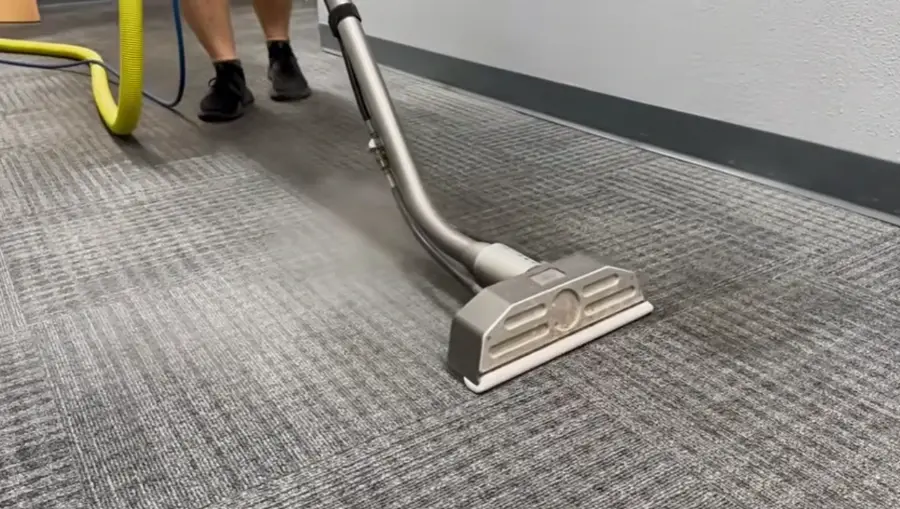
Loop, Berber, Frieze and Cut Pile Compared
| Style | What it looks like | Good at | Watch out for |
|---|---|---|---|
| Level loop | Short, even loops | Very durable, common in offices | Can look flat in traffic lanes |
| Berber | Bulky, knobby loops, often flecked | Hides dirt, tough in traffic | Snags, pulled rows, oily soil on olefin |
| Frieze | Long, tightly twisted, curly yarn | Hides footprints and vacuum marks | Traps debris deep, needs the right vacuum |
| Plush and Saxony (cut pile) | Smooth, even surface | Soft and formal | Shows footprints and shading |
| Cut and loop | Pattern of cut and looped yarn | Hides soil and wear | Pattern can wear unevenly |
Why Do Berber Loops Snag and Run?
Each loop is part of a continuous row of yarn. When a pet claw, a vacuum brush or a furniture leg catches one and pulls, it can drag a whole line of tufts out of the backing. Cleaners call it zippering. Never pull a snag. Trim the loop flush with sharp scissors, and if a row has already run, it can usually be repaired with a patch. Carpet repair.
Why Do Spots Come Back on Berber After Cleaning?
That’s wicking. Olefin doesn’t absorb water, so cleaning solution runs down the yarn into the backing. As the carpet dries, moisture moves back up to the tips and brings old soil and spots with it. According to Cleanfax, Berber’s bumpy texture also makes the cleaning tool skip, which leaves extra water behind. The fix is less water, not more: controlled moisture, extra dry passes and fast drying with air movers or fans.
Why Does Olefin Berber Look Dirty So Fast?
Olefin attracts oil, including oil tracked in from the driveway and cooking oil in the air, and that oil holds onto caliche dust. Olefin also isn’t very resilient, so traffic lanes mat and flatten. Cleaning removes the soil, but no cleaning can undo matting or abraded fiber, so the lane may still look darker after it’s clean.
How Should Berber and Loop Carpet Be Cleaned?
- Vacuum slowly with a suction-only head or a brush that won’t grab loops.
- Blot spills and use as little water as possible on spots.
- Professional cleaning with a pre-spray made for oily soil, controlled moisture, single strokes and extra dry passes.
- Dry it fast with fans or AC to stop wicking.
- Wool Berber gets wool-safe products and lower heat. Wool carpet care.
How Should Frieze Carpet Be Cleaned?
Frieze’s long, twisted yarn hides footprints but holds sand and grit deep in the pile. Vacuum with the brush raised or on a suction setting so fibers don’t wrap around the roller, and make slow passes in more than one direction. Professional hot water extraction every 6 to 18 months, as Shaw Floors recommends, keeps the base of the pile from packing with grit.
Is Berber Good With Pets?
Loops and claws don’t mix well, especially with dogs that dig or cats that scratch. Pet urine also runs into the backing of olefin Berber and can wick back up. If you have pets and are choosing new carpet, a dense cut pile often holds up better. If you already have Berber, trim snags right away and treat accidents fast. Pet urine and odor removal.
Is Berber carpet a type of fiber?
No. Berber is a loop pile style. It is usually made from olefin or an olefin and nylon blend, and sometimes from nylon or wool.
Why do spots reappear on my Berber after cleaning?
That is wicking. Solution runs into the backing and carries soil back to the tips as it dries. Less water, extra dry passes and fast drying prevent it.
How do I fix a snag in Berber carpet?
Do not pull it. Trim the loop flush with sharp scissors. If a row has already run, a patch repair usually fixes it.
Can Berber carpet be steam cleaned?
Yes, with controlled moisture, single strokes, extra dry passes and fast drying. Wool Berber needs wool-safe products and lower heat.
Is frieze carpet hard to clean?
Not hard, but grit settles deep in the long twisted pile. Vacuum with the brush raised and get it professionally cleaned every 6 to 18 months.
Berber Spots Keep Coming Back?
Call and tell us the rooms and what you’re seeing. You’ll be connected with an independent local cleaner who can explain the right method for your carpet.