Short answer: In Texas, a landlord can deduct charges you owe under your lease, including carpet cleaning if the lease requires it, but cannot keep any part of your deposit for normal wear and tear. The landlord has 30 days after you move out to refund the deposit, with an itemized list of any deductions.
Losing part of a deposit over carpet is one of the most common move-out complaints in San Angelo, from apartments near Angelo State to rentals off Sherwood Way and Goodfellow families on PCS orders. This guide explains the Texas rules in plain words and what to do before you hand back the keys. It is general information, not legal advice. For your own situation, read your lease and check the Texas State Law Library guide on deposit refunds.
Can a Texas Landlord Charge You for Carpet Cleaning?
It depends on your lease. Texas Property Code Section 92.104 lets a landlord deduct “damages and charges for which the tenant is legally liable under the lease or as a result of breaching the lease.” The same section says the landlord “may not retain any portion of a security deposit to cover normal wear and tear.”
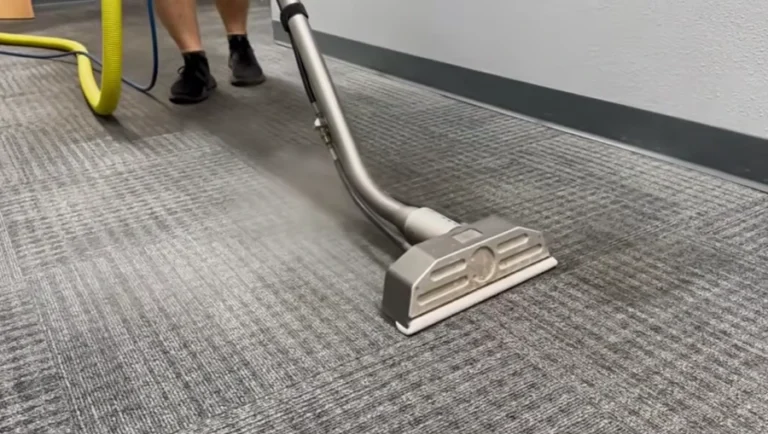
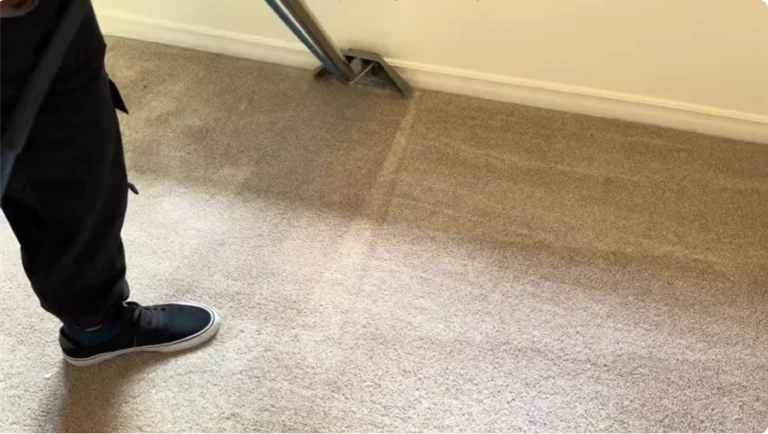
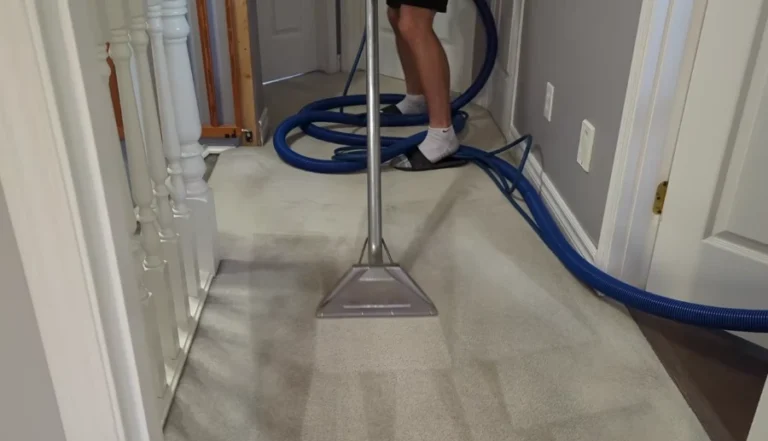
- Your lease requires professional carpet cleaning. Many do, and some ask for a receipt. Book it and keep the dated invoice.
- Your lease says nothing about carpet. Leave the carpet clean and vacuumed. Stains or odors beyond normal use can still be treated as damage.
- The carpet is simply worn from years of use. That is normal wear and tear, and it cannot come out of your deposit.
What Counts as Normal Wear and Tear on Carpet?
Texas law defines normal wear and tear as “deterioration that results from the intended use of a dwelling.” It does not include damage from negligence, carelessness, accident or abuse by the tenant, a household member or a guest. Here is how carpet issues are commonly sorted:
| Usually normal wear and tear | Often treated as damage |
|---|---|
| Light wear in walkways and doorways | Pet urine stains and odor in the pad |
| Slight fading from sunlight | Burns, tears or pulled seams |
| Pile flattened under furniture | Large dye stains like red wine, hair dye or nail polish |
| Normal aging over several years | Holes from a pet chewing or digging |
How Long Does a Texas Landlord Have to Return a Deposit?
- 30 days. The landlord must refund the deposit on or before the 30th day after you surrender the unit (Section 92.103).
- Forwarding address in writing. The landlord does not have to send the refund or the list of deductions until you give a written forwarding address (Section 92.107). Give it in writing and keep a copy.
- Itemized list. If anything is kept, the landlord must give a written description and itemized list of all deductions (Section 92.104).
- Bad faith. A landlord who misses the 30-day deadline for both the refund and the itemized list is presumed to have acted in bad faith. Under Section 92.109, a landlord who keeps a deposit in bad faith can owe a fixed penalty, three times the amount wrongfully withheld and reasonable attorney’s fees.
How Do You Protect Your Deposit at Move-Out?
- Read the cleaning clause. Look for words like “professionally cleaned” or “receipt required.”
- Book the cleaning after the furniture is out and one to three days before the walkthrough. Carpet usually needs 6 to 24 hours to dry. See carpet drying time in San Angelo.
- Treat pet urine properly before cleaning day. A deodorizer spray rarely holds up once the AC is off and the unit warms up. Read pet urine and odor removal.
- Ask for a dated invoice that lists the rooms cleaned and any pet or stain treatment.
- Take dated photos and video of every room once the carpet is dry, including closets.
- Give your forwarding address in writing and keep a copy.
- Keep everything together: lease, move-in inspection form, receipt, photos and any messages with the landlord.
The carpet cleaning prep checklist covers what to do the day before, and the move-out carpet cleaning page explains what to ask a cleaner for.
What If Your Landlord Keeps Your Deposit for Carpet?
- Ask for the itemized list in writing if you did not get one
- Compare each carpet charge with your move-in inspection form and photos
- Reply in writing with your cleaning receipt and dated photos
- Point to normal wear and tear where it applies, and to Section 92.104
- If it is not resolved, the Texas State Law Library notes that smaller deposit cases can be filed in justice court, often without an attorney
What About Goodfellow PCS Moves and Student Leases?
Military families have a pack-out date and a final inspection to plan around, so the carpet needs to be cleaned after the packers leave and dry before the inspector arrives. See Goodfellow AFB carpet cleaning. Student leases near Angelo State tend to end around the same weeks, so cleaners book up fast; schedule early. Landlords turning units can read carpet cleaning for landlords and property managers.
Can my landlord charge me for carpet cleaning in Texas?
Yes, if your lease makes you responsible for it. Texas Property Code 92.104 allows deductions for charges you owe under the lease, but not for normal wear and tear.
Do I need a receipt for professional carpet cleaning?
If your lease asks for one, yes. Even if it does not, a dated invoice listing the rooms cleaned is the easiest proof you can give a landlord.
How long does a landlord have to return a deposit in Texas?
30 days after you surrender the unit. The landlord does not have to send it until you give a forwarding address in writing.
Is pet urine in carpet normal wear and tear?
Usually not. Normal wear and tear covers deterioration from intended use, and pet accidents are generally treated as damage. Treat urine properly before you move out.
What can I do if my deposit is kept unfairly?
Ask for the itemized list in writing, reply with your receipt and dated photos, and cite normal wear and tear where it applies. Smaller cases can go to justice court.
Moving out soon? Get a free quote to be connected with an independent local carpet cleaner who can work around your walkthrough date.