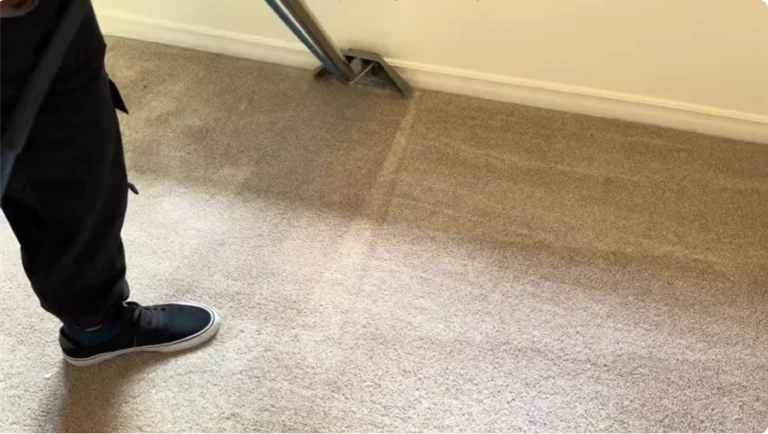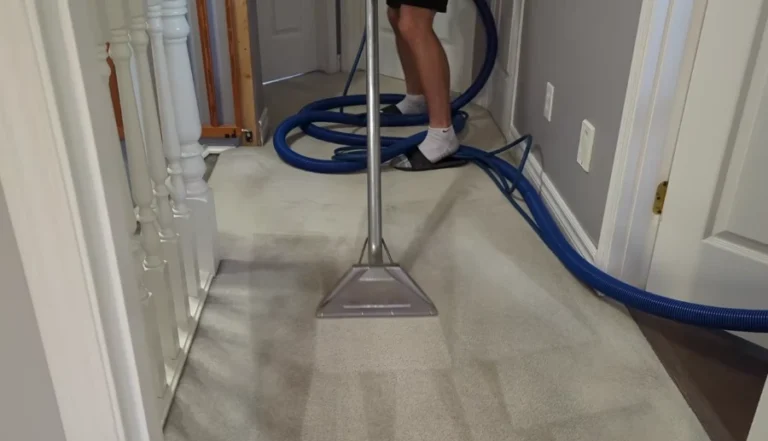
Short answer: Gray traffic lanes are either real soil, which a thorough cleaning can remove, or damage to the fibers, which no cleaning can fix. Oily soil and grit packed into walkways usually come out with pre-spray, agitation and hot water extraction. Fibers that are scratched, worn thin or faded stay gray because the damage changes how they reflect light.
Traffic lanes are the first thing people notice: the path from the front door, down the hall and in front of the couch turns darker than the rest of the room. Before you decide the carpet is ruined, it helps to know which kind of gray you are looking at.
Is It Dirt or Damage?
| Real soiling | Apparent soiling | |
|---|---|---|
| What it is | Dirt, oil and grit sitting in the fibers | Fiber damage that makes carpet look dirty |
| Common causes | Shoes tracking in dust, grease and moisture | Abrasion from grit, worn-down pile, sun fading |
| Can cleaning fix it? | Yes, with the right method | No, once the damage has happened |
| How it looks after cleaning | Lanes brighten noticeably | Lanes stay dull even though they are clean |
That article defines real soiling as anything foreign to the carpet that can actually be removed, and says abrasion, fading and wear “typically cannot be corrected once they have occurred.” Abrasion works like scratches on glass: the scratched fiber scatters light, so the lane looks gray, dull and dirty even after it is clean.
Why Do San Angelo Traffic Lanes Turn Gray So Fast?
- Wind and dust. San Angelo averages 9.8 mph winds, with April the windiest month at 11.5 mph, according to the Southern Climate Impacts Planning Program. Fine soil gets into every house and settles where people walk.
- Caliche grit. Gritty caliche dust acts like sandpaper on fibers. It is the main cause of the abrasion that turns lanes permanently dull. More in the red dirt and caliche guide.
- Soap residue. Past cleanings that left detergent behind create a sticky film that grabs dirt, so lanes darken again within weeks. See hard water and carpet.
- Worn protector. Factory protector wears off first in walkways, so soil clings faster there. See is carpet protector worth it.
How Do Professionals Clean Traffic Lanes?
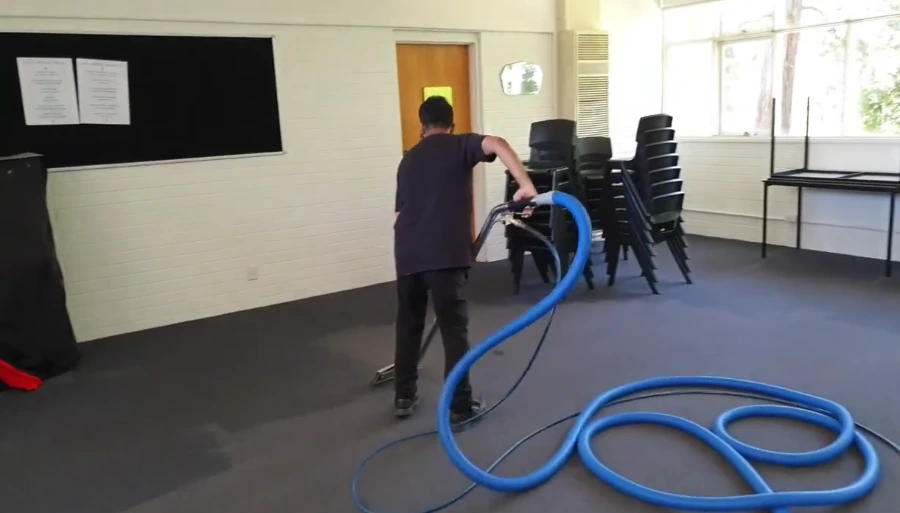
Lanes need more than one quick pass. In Cleaning & Maintenance Management’s guide to traffic lane soiling, the article notes that shampoo and bonnet methods mostly clean the tops of the fibers and can just spread soil from dirty lanes into clean areas, while extraction cleans more thoroughly. The same article recommends pre-spraying lanes and notes that heavily soiled pathways may need as many as three passes.
- Vacuum first to remove dry grit before any water goes in.
- Pre-spray the lanes with a cleaner suited to oily soil and give it time to work.
- Agitate so the solution reaches the base of the fibers.
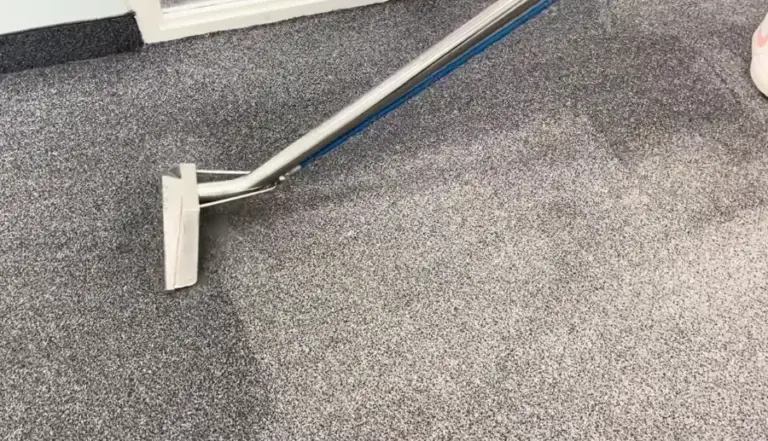
- Extract with hot water, with extra passes on the darkest areas.
- Rinse so no detergent is left to attract new soil.
- Dry fast and keep traffic off, because lanes walked on while wet re-soil sooner.
If your lanes came back within a few weeks of the last cleaning, residue is the usual reason, not the carpet. Read how a proper rinse handles it on the how carpet cleaning works page.
How Can You Keep Traffic Lanes From Coming Back?
- Use mats at every door. For businesses, the CMM article describes a 15-foot matting system: a scraper mat outside, a wiper and scraper mat inside the door, then a wiper mat. At home, one rough mat outside and one absorbent mat inside makes a big difference.
- Vacuum lanes often and slowly. Dry grit causes abrasion, so removing it before it grinds into the fibers protects carpet from permanent dulling.
- Take shoes off at the door when your household will do it.
- Move furniture now and then so the same path does not take all the wear.
- Clean on a schedule. Most San Angelo homes do well every 12 to 18 months, more often with pets. See how often to clean carpet in San Angelo.
When Are Traffic Lanes a Sign It Is Time for New Carpet?
If lanes stay dull after a thorough professional cleaning, and you can see the pile is thinner or crushed flat compared with the edges of the room, the fibers are worn. Cleaning keeps them sanitary but will not bring the look back. Medium-traffic residential carpet usually lasts about 8 to 12 years, and the carpet types guide explains which fibers hold up best to traffic.
Many San Angelo rentals have builder-grade carpet that wears out faster in walkways. Landlords can see the page for rental turnovers, and businesses the commercial carpet cleaning page. Every job follows the same San Angelo carpet cleaning process.
Why are my carpet traffic lanes gray?
Either soil is packed into the fibers, or the fibers are damaged. Oily soil and grit usually come out with pre-spray and hot water extraction. Scratched, worn or faded fibers stay gray because they reflect light differently.
Can professional cleaning remove traffic lanes?
Often, yes, when the gray is real soil. Pre-spraying, agitation, extra extraction passes and a thorough rinse remove most lane soiling. If the fibers are abraded or worn, cleaning cannot restore their look.
Why do traffic lanes come back after cleaning?
Usually leftover soap residue. Detergent left in the fibers dries into a sticky film that grabs dirt. Walking on carpet while it is still wet also makes lanes re-soil faster.
How do I stop traffic lanes from forming?
Use mats inside and outside every door, vacuum walkways often and slowly to remove grit, take shoes off when you can, and get the carpet professionally cleaned on a regular schedule.
Do gray traffic lanes mean I need new carpet?
Not always. If lanes brighten after a thorough cleaning, the carpet is fine. If they stay dull and the pile is visibly thinner or crushed, the fibers are worn and replacement is the only way to restore the look.
Want to know if your lanes will come out? Get a free quote and a local cleaner can tell you at the walk-through. You can also see San Angelo carpet cleaning prices.