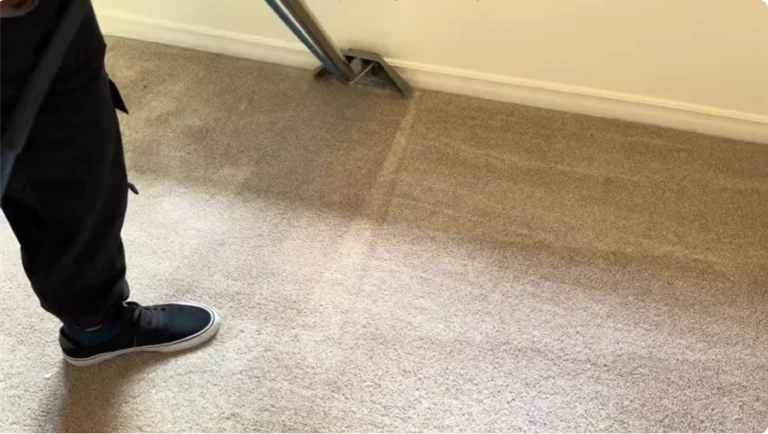
Short answer: Clean carpet does not have to make allergies worse. Carpet traps dust, pet dander and pollen until it is removed, so weekly HEPA vacuuming and professional hot water extraction every 3 to 6 months are what keep allergy-prone San Angelo homes comfortable. Our dry air also works in your favor: dust mites need humidity, and arid homes tend to have far fewer of them.
If someone in your house sneezes more indoors than out, carpet is usually the first suspect. The truth is more useful than “rip it out.” What is in your carpet, and how often it gets removed, matters more than whether you have carpet at all.
What Allergens Live in Carpet?
| Allergen | Where it comes from | What removes it |
|---|---|---|
| Dust and fine soil | Wind, open doors, shoes | Slow weekly vacuuming and periodic extraction |
| Pet dander | Skin flakes, saliva, urine and hair from dogs and cats | HEPA vacuuming, keeping pets off beds, regular extraction |
| Pollen | Tracked in on shoes, clothes and pets, and blown in through doors | Vacuuming, entry mats, shoes off at the door |
| Dust mite allergens | Mites living in bedding, upholstery and carpet | Low humidity, hot-water washing of bedding, vacuuming |
| Mold | Carpet that stays damp, usually from leaks or poor drying | Fix the moisture source; carpet must dry quickly |
The U.S. Environmental Protection Agency says every home has dust mites, found in mattresses, pillows, carpets and upholstered furniture, and that proteins in a pet’s skin flakes, urine, saliva and hair can trigger asthma. EPA also notes Americans spend up to 90 percent of their time indoors, which is why what settles in your floors matters.
Does San Angelo’s Dry Climate Help With Dust Mites?
Yes, and it is one of the few allergy breaks West Texas gives you. Dust mites absorb water from the air, so they struggle in dry homes. A Brigham Young University study of 46 homes in arid Utah found only 1 home with clinically significant mite levels, and only about 20 percent with even low levels. That was Utah, not Texas, but the reason is the same dry air.
San Angelo’s average relative humidity runs about 56 to 65 percent across the year and drops to around 46 percent in early spring and summer, according to the Southern Climate Impacts Planning Program. The American Lung Association recommends keeping homes below 50 percent humidity to control mites. The same BYU study found that evaporative (swamp) coolers raised indoor humidity compared with central air, so if your home uses one, a humidity meter is worth a few dollars.
If Dust Mites Are Not the Main Problem Here, What Is?
Dust and dander. San Angelo averages 9.8 mph winds, with April the windiest month at 11.5 mph, so fine soil blows in through every door and window frame. Add dogs and cats, and carpet collects a steady load of dander. Neither one goes away on its own, and both get kicked back into the air when people walk across the floor.
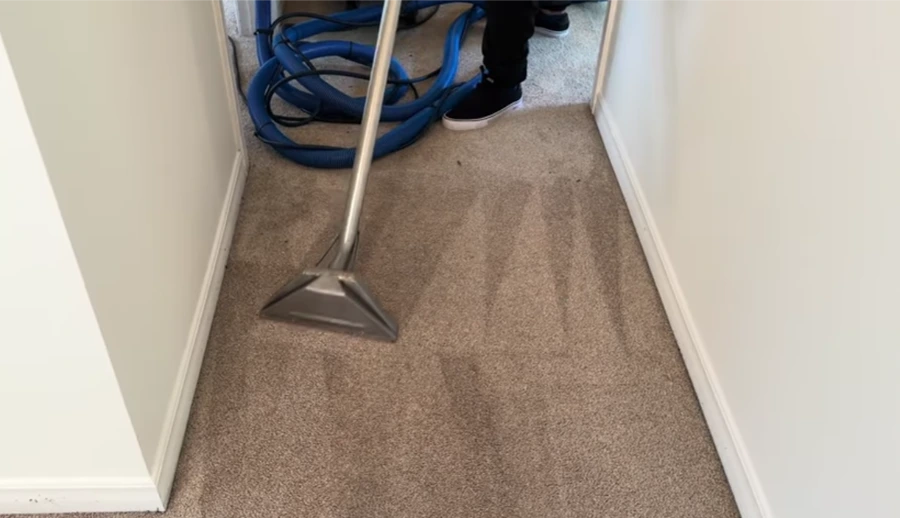
How Often Should You Clean Carpet if Someone Has Allergies?
- Vacuum every week with a HEPA-filter vacuum, as EPA and the American Lung Association both recommend. Go slowly over traffic lanes.
- Leave the room while vacuuming if you have asthma or allergies, as EPA suggests, and let the dust settle before coming back.
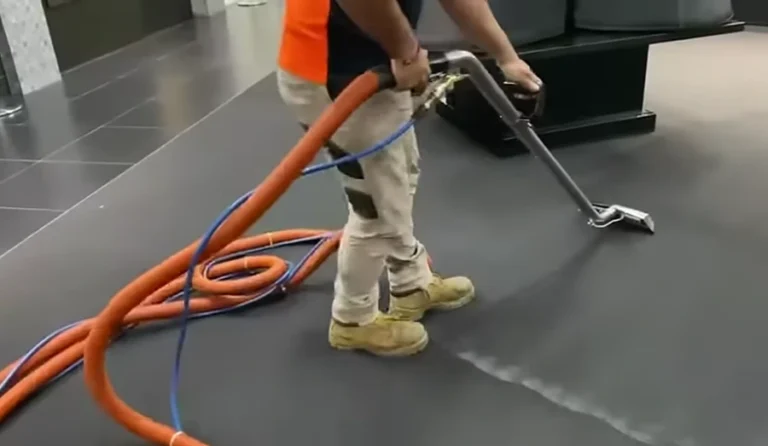
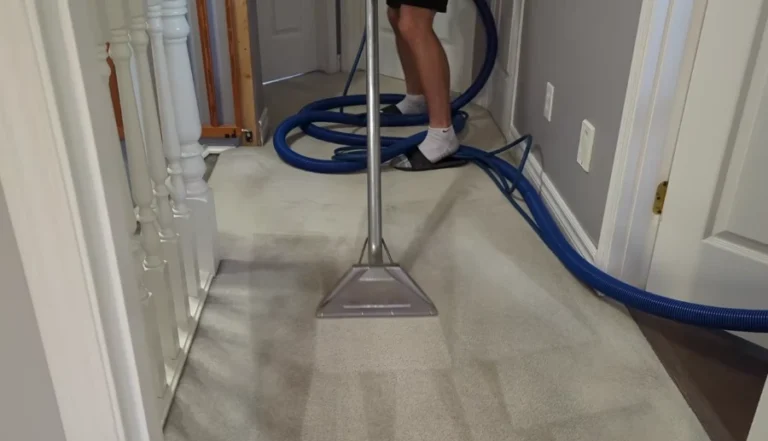
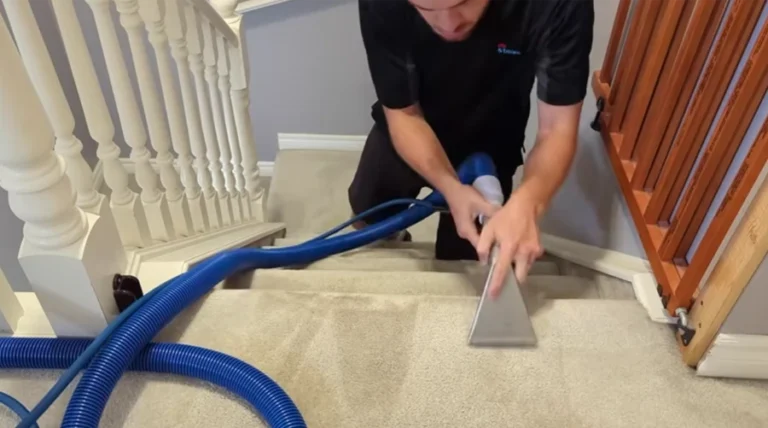
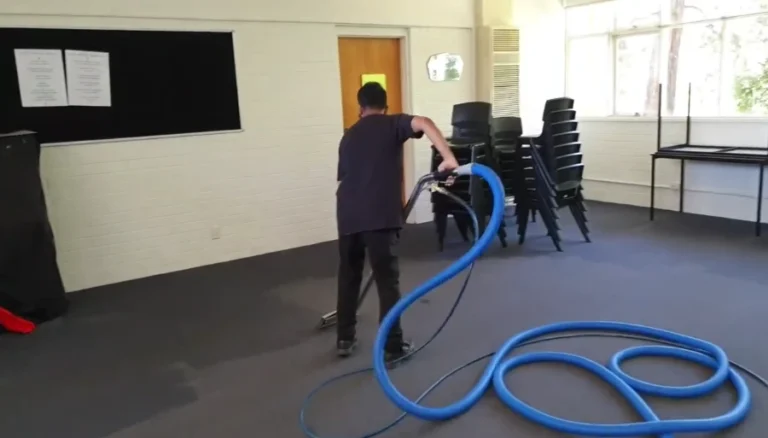
- Get professional hot water extraction every 3 to 6 months in allergy-prone or pet homes, compared with every 12 to 18 months for most homes.
- Wash bedding weekly in hot water, at least 120 degrees F per the American Lung Association.
- Put mats at every door and take shoes off inside, especially during spring wind season.
- Keep pets off beds and out of the bedroom of anyone with allergies.
Our guide on how often to clean carpet in San Angelo covers schedules for every kind of household.
Can Carpet Cleaning Make Allergies Worse?
Done badly, it can. Carpet left soaking wet for days can grow mold, and soap residue left in the fibers attracts more dirt. Good cleaning avoids both: strong extraction so the carpet dries in 6 to 24 hours, and a thorough rinse so no sticky film is left behind. See how long carpet takes to dry in San Angelo and our guide to hard water and carpet residue.
Some people with allergies also worry about cleaning products. Ask your cleaner what they use, and ask for products to be fully extracted rather than left in the carpet. You can read how we clean carpet for our approach.
Should You Replace Carpet if You Have Allergies?
It depends on how severe the allergy is. The American Lung Association suggests replacing carpet with hard flooring for people who are allergic to dust mites. The Carpet and Rug Institute, the carpet industry’s trade group, argues that carpet acts as a filter that holds allergens out of the breathing zone until they are vacuumed up. Both can be true: carpet holds allergens, and that only helps if they are removed often.
For many San Angelo families, a practical middle ground is hard floors in bedrooms of the most allergic family member, and well-maintained carpet elsewhere. If you have pets, our pet urine and odor removal page explains how to deal with what pets leave behind in the pad, and our carpet types guide compares fibers.
Rugs and couches hold the same allergens. Consider upholstery cleaning and area rug cleaning alongside carpet. Every job follows the same San Angelo carpet cleaning process.
Couches hold allergens too. Check what your upholstery cleaning code means before cleaning.
Have little ones or pets too? See carpet cleaning safety for kids and pets.
Is carpet bad for allergies?
Not necessarily. Carpet traps dust, dander and pollen, which is only a problem if they are not removed. Weekly HEPA vacuuming and regular hot water extraction keep the load down. The American Lung Association does suggest hard floors for people allergic to dust mites.
How often should carpet be cleaned for allergies?
Professional hot water extraction every 3 to 6 months is a good target for allergy-prone or pet homes, with HEPA vacuuming every week in between.
Are there fewer dust mites in San Angelo?
Dry climates generally have fewer dust mites, because mites need humidity. A BYU study in arid Utah found clinically significant levels in only 1 of 46 homes. Keeping indoor humidity below 50 percent helps.
Can carpet cleaning cause mold?
Only if carpet stays wet too long. Strong extraction keeps drying to about 6 to 24 hours. EPA advises drying wet carpet within 24 to 48 hours to help prevent mold.
What vacuum is best for allergies?
EPA and the American Lung Association both recommend a vacuum with a HEPA filter, used every week. People with asthma or allergies should leave the room while it runs.
Breathe a little easier. Get a free written quote or see San Angelo carpet cleaning prices. More answers are on our carpet cleaning FAQ.